
Buying an off-road ATV is one of the most enjoyable purchases in powersports, and also one of the easiest to get wrong. The machines look similar in photos, the spec sheets blur together, and the differences that matter — how it steers on a technical trail, how it feels after four hours in the saddle, how it behaves in mud and sand — only show up in real riding. Before you commit, here are seven things worth knowing, seen through the lens of the SWM Trailhunter and the mid-displacement class it represents.
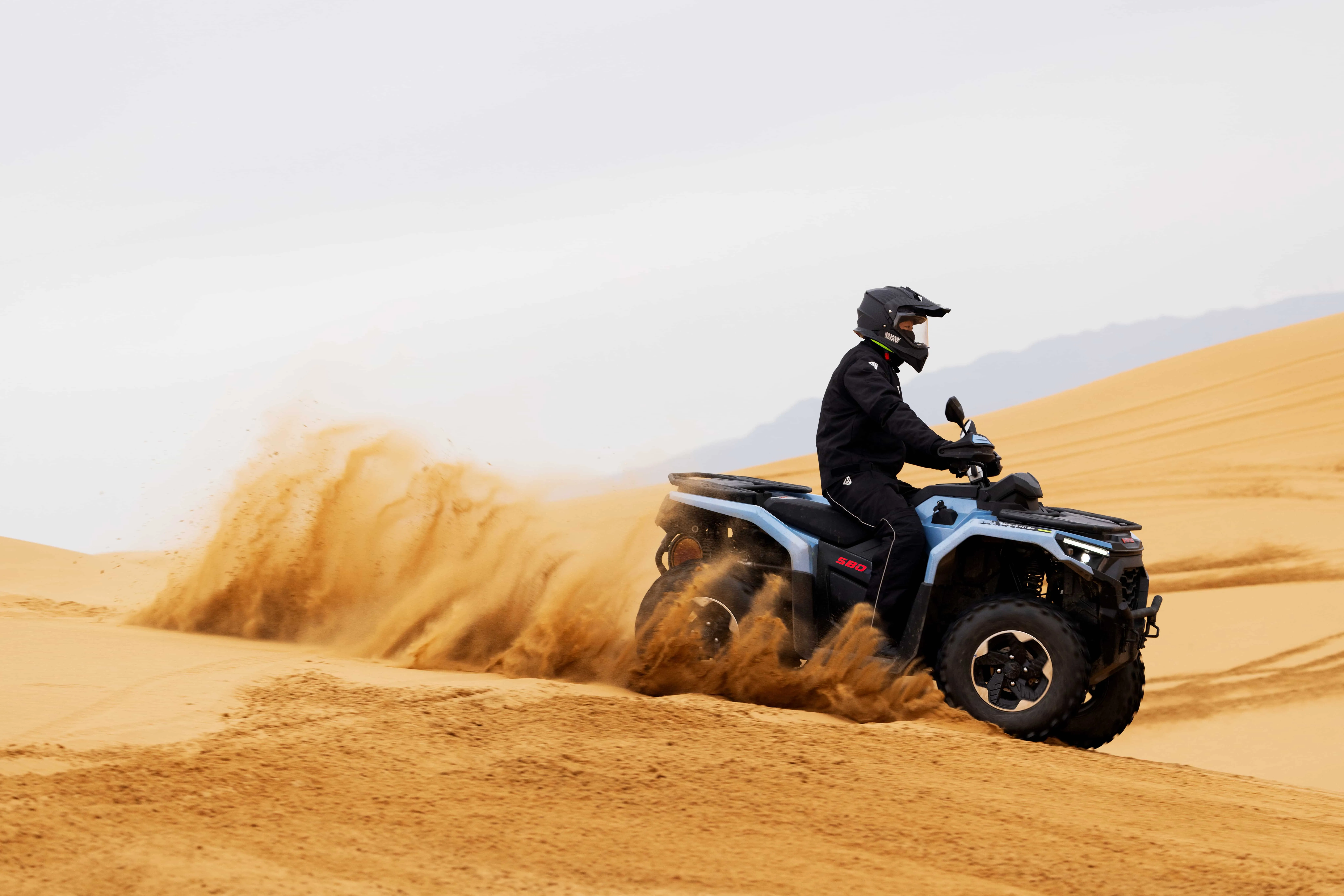
1. Mid-displacement is the smart money. The 500-600cc range is where most riders should actually be shopping. It delivers enough power to climb, haul, and keep up on open trails, while staying light enough to toss around in tight sections. Riders who buy too small get frustrated quickly, and riders who buy too big spend their first season managing a machine instead of enjoying it. The middle ground is where the fun lives.
2. Four-wheel drive is not optional. Even if you plan to ride mostly dry trails, terrain has a way of changing plans. Mud holes, sand washes, and steep loose climbs appear without warning, and a machine with selectable 4WD handles them with composure instead of drama. The 4×4 atvs in this class shift smoothly between two- and four-wheel drive on the move, which means you can keep momentum when the ground turns soft.
3. Suspension sets the ceiling on your fun. A strong engine is only half the story; the suspension decides how fast you can actually ride. On the Trailhunter, the front and rear travel and the damping calibration are tuned for real trail conditions — roots, ruts, and rocks — rather than showroom smoothness. A well-suspended mid-size machine will carry you across ground that would shake a cheaper one to pieces, and your arms and back will thank you at the end of the day.
4. Ergonomics matter more than aesthetics. Sit on the machine before you buy it, and then sit on it again. Reach to the bars, leg position, seat width, and how easily you can stand up for rough sections all affect how the machine feels after hours of riding. On the SWM Trailhunter, the seating, controls, and standing stance are designed around all-day comfort. The right ergonomics make a capable machine feel effortless; the wrong ones make a good trail feel like work.
5. Serviceability separates keepers from headaches. Look under the plastic. Air filter access, oil changes, and belt service should not require a workshop manual and an afternoon. Machines designed with maintenance in mind get serviced on schedule, and machines that are painful to work on get neglected. That simple difference shows up in reliability over the years you will own it.
6. The aftermarket tells you the truth. A popular platform has skid plates, winch kits, luggage racks, and suspension upgrades available from day one. That ecosystem is a signal that the machine is proven in the field and that riders are keeping them long-term. It also means you can grow the machine as your riding does, instead of trading it in when you want more capability.
7. Buy for the trails you will actually ride. The off-road atv market tempts buyers with desert-racing fantasies, but the machine you need is the one built for your local trails, your towing needs, and your riding partners. A versatile mid-size four-wheel-drive quad covers weekend trail riding, utility work, and family rides in one package. The off road atv class exists precisely because one honest machine can do all of it.
Choosing an ATV comes down to matching the machine to your real riding, not the brochure version of it. The machines that keep riders happy for years are the ones that fit their terrain, their body, and their budget, and a little homework before the purchase pays back in every trail ride that follows.
MOST COMMENTED
Business
Critical Warnings What to Avoid When Cleaning Your Rental Bond in Melbourne
Other
Menghadirkan Sensasi Kasino Ke Rumah Anda Dengan Bermain Online
Other
Metode Optimal Untuk Meraih Kemenangan Di Game Slot Online Pilihan Utama
Gaming
Link Game Online Tanpa Iklan, Main Lebih Nyaman!
Gaming
Hargatoto Insights: Sympathy Lottery Damage Trends And Online Total Game Platforms