
When it comes to modern electrical installations, choosing the right cables is essential for safety, efficiency, and long-term performance. Among the various options available, flexible power cables have emerged as a top choice for industries, households, and commercial projects alike.
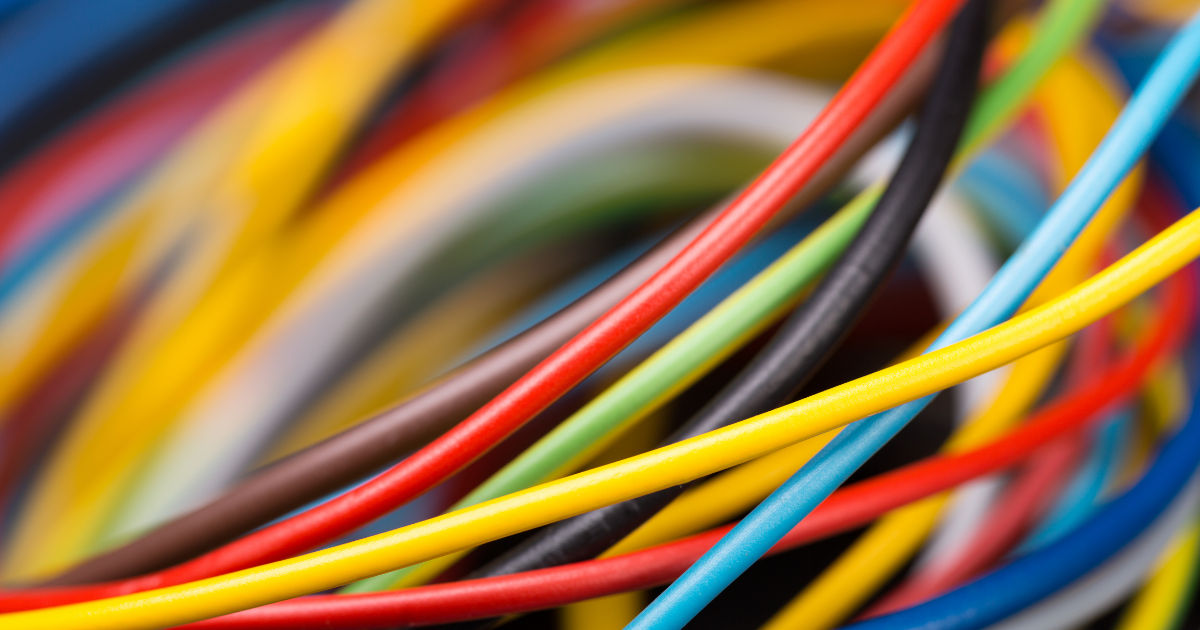 As a trusted Pakistan Cables Supplier, we understand how flexible power cables can provide a wide range of benefits that make them an ideal solution for many applications.
In this comprehensive guide, we will explore everything you need to know about flexible power cables, from their features and applications to advantages and safety considerations.
Whether you are an electrical engineer, a homeowner, or someone looking to purchase high-quality cables, this guide will help you make an informed decision.
What Are Flexible Power Cables?
Flexible power cables are specially designed cables that consist of multiple strands of fine copper or aluminum wires, covered with a durable insulating material. Unlike traditional solid-core cables, the multiple strands allow these cables to bend easily without breaking.
This flexibility makes them ideal for situations where cables need to be routed around corners, moved frequently, or connected to equipment that experiences vibration or movement. These cables are widely used in industries, construction sites, robotics, household appliances, and portable tools.
Key Components of Flexible Power Cables
Flexible power cables are composed of several key components that determine their performance:
1. Conductors
The conductor is the core of the cable, responsible for carrying electricity. Flexible cables use stranded copper or aluminum wires. Copper is preferred for its high conductivity, while aluminum is lighter and more cost-effective.
2. Insulation
The insulation material protects the conductor from electrical shocks and short circuits. Common insulation types include PVC, rubber, and XLPE. The choice of insulation depends on the environment and application.
3. Sheath
The outer sheath provides mechanical protection and safeguards the cable against moisture, heat, and chemical exposure. For industrial environments, a tough PVC or rubber sheath is often used.
4. Shielding (Optional)
Some flexible cables include an additional shielding layer to reduce electromagnetic interference (EMI). This is particularly important in sensitive electronic applications.
Applications of Flexible Power Cables
Flexible power cables are extremely versatile and can be used in a variety of applications. Their unique design allows them to perform efficiently in situations where rigid cables would fail.
1. Industrial Machinery
Flexible power cables are widely used in factories and workshops to connect heavy machinery. The flexibility ensures that the cables can handle vibrations and constant movement without damage.
2. Household Appliances
Many home appliances such as washing machines, refrigerators, and microwaves rely on flexible cables for safe and convenient operation.
3. Construction Projects
During construction, temporary electrical setups often require cables that can be easily laid and relocated. Flexible cables are perfect for these dynamic environments.
4. Portable Devices and Tools
Power tools, extension cords, and mobile equipment benefit from flexible cables due to their bendable nature and durability.
5. Robotics and Automation
In robotic arms and automated machinery, constant motion is involved. Flexible cables ensure uninterrupted power supply without wear and tear.
Benefits of Flexible Power Cables
The primary reason flexible power cables are highly sought after is their numerous benefits. Let’s explore these in detail.
Ease of Installation
Flexible power cables are significantly easier to install compared to rigid cables. Their bendable design allows electricians to route them around corners, through tight spaces, or across walls without complex fittings.
This ease of installation not only reduces labor time but also minimizes installation costs. As a reputed Pakistan Cables Supplier, we often receive feedback from clients who appreciate the convenience of installing flexible cables in complex environments.
Superior Durability
Despite being flexible, these cables are highly durable. The stranded conductors can withstand constant bending, twisting, and vibrations, which would normally damage solid-core cables.
Flexible cables also feature robust insulation and sheathing that protect them from environmental hazards such as moisture, heat, chemicals, and abrasion. This ensures long-term performance, even in demanding industrial conditions.
Enhanced Safety
Safety is a crucial factor in any electrical system. Flexible power cables reduce the risk of short circuits and electrical fires because they are less likely to crack or break under stress.
Their high-quality insulation also protects users from accidental electrical shocks. Furthermore, shielding in certain flexible cables helps reduce electromagnetic interference, enhancing the safety and performance of connected electronic devices.
Cost-Effective Over Time
Although flexible cables may have a slightly higher initial cost than rigid cables, their long-term benefits make them cost-effective. They require less maintenance, have a longer lifespan, and reduce downtime in industrial setups.
Using flexible power cables also reduces the need for additional connectors, junctions, or fittings, further cutting overall project costs.
Adaptable to Various Environments
Flexible cables are highly adaptable and can perform well in diverse environments. Whether it’s high-temperature zones, outdoor installations, or areas with constant vibration, flexible cables maintain their performance and reliability.
This adaptability makes them a preferred choice for electricians and engineers, especially when sourced from a trusted Pakistan Cables Supplier who ensures quality and compliance with safety standards.
Improved Aesthetics
In commercial and residential setups, cable management and aesthetics are important. Flexible power cables can be neatly arranged, bent along walls or ceilings, and concealed more easily than rigid cables. This results in a cleaner, professional appearance.
Types of Flexible Power Cables
Flexible power cables come in different types depending on their applications and specifications. Understanding these types helps in selecting the right cable for specific needs.
1. PVC Flexible Cables
PVC flexible cables are widely used for indoor applications. They are cost-effective, durable, and resistant to moisture and chemicals.
2. Rubber Flexible Cables
Rubber cables are ideal for heavy-duty industrial applications. They offer excellent heat resistance and flexibility, making them suitable for machinery and outdoor use.
3. XLPE Flexible Cables
XLPE (cross-linked polyethylene) cables provide high insulation strength, chemical resistance, and thermal stability. They are commonly used in high-voltage or outdoor installations.
4. Armored Flexible Cables
For environments where mechanical protection is critical, armored flexible cables feature a metal sheath. These cables are resistant to impact, rodents, and harsh industrial conditions.
Factors to Consider When Choosing Flexible Power Cables
Selecting the right flexible power cable requires attention to several important factors:
1. Current Rating
Ensure that the cable can safely carry the intended electrical load. Overloading a cable can lead to overheating and hazards.
2. Voltage Rating
Check the cable’s voltage rating to ensure it matches the system requirements.
3. Environmental Conditions
Consider exposure to moisture, chemicals, heat, or outdoor conditions. Choose insulation and sheathing materials accordingly.
4. Flexibility Requirements
The degree of flexibility needed depends on how the cable will be routed or used. More strands in the conductor generally mean higher flexibility.
5. Compliance and Quality
Always source cables from certified manufacturers or trusted suppliers. A reliable Pakistan Cables Supplier ensures adherence to safety and performance standards.
Advantages in Industrial Applications
Industries, in particular, benefit greatly from flexible power cables due to their demanding operational requirements.
1. Vibration Resistance
Machines and industrial equipment produce constant vibrations. Flexible cables can endure this movement without fatigue or breakage, ensuring uninterrupted power supply.
2. Ease of Relocation
Industrial setups often change layouts. Flexible cables allow easy relocation without the need for replacing entire wiring systems.
3. Reduced Downtime
With durable flexible cables, the risk of cable failure is minimized, reducing production downtime and maintenance costs.
4. Compatibility with Automation
Flexible cables are ideal for automated systems, conveyors, and robotic machinery where continuous movement is involved.
Advantages in Residential Applications
Flexible power cables are not limited to industrial use; they offer several advantages in homes as well:
1. Convenience
Appliances, extension cords, and portable tools benefit from flexible cables that are easy to maneuver and connect.
2. Safety
Flexible cables reduce the risk of cracks or insulation damage, providing a safer environment for families.
3. Aesthetics
Flexible cables can be neatly arranged along walls, ceilings, or furniture, enhancing the overall look of the home.
4. Versatility
They can be used for a wide range of appliances, from washing machines to air conditioners, making them highly versatile for household needs.
Maintenance and Care of Flexible Power Cables
Even though flexible power cables are durable, proper maintenance ensures they last longer:
1. Avoid Sharp Bends
Do not bend cables sharply, as this can damage the insulation or internal strands.
2. Regular Inspection
Check cables periodically for wear, cracks, or exposed wires, especially in high-use areas.
3. Clean Environment
Keep cables away from dust, chemicals, or moisture that can deteriorate insulation over time.
4. Avoid Overloading
Ensure the cables are not carrying more current than their rated capacity to prevent overheating.
Why Choose a Trusted Pakistan Cables Supplier?
Sourcing flexible power cables from a reliable Pakistan Cables Supplier is crucial for ensuring quality, safety, and compliance. A trusted supplier provides:
-
Certified products meeting international standards.
-
Durable and long-lasting cables suitable for various applications.
-
Expert advice on selecting the right cable for your needs.
-
Assurance of safety for residential, commercial, and industrial use.
By choosing a reputable supplier, you not only get high-quality products but also peace of mind knowing your electrical systems are safe and efficient.
Conclusion
Flexible power cables are a vital component in modern electrical systems, offering unmatched convenience, durability, and safety. From industrial machinery to household appliances, these cables provide reliable performance while reducing installation and maintenance challenges.
Key benefits include ease of installation, superior durability, enhanced safety, adaptability to various environments, and cost-effectiveness. Whether used in homes, factories, or commercial setups, flexible power cables ensure a safe and efficient power supply.
For anyone seeking reliable and high-quality flexible power cables, working with a trusted Pakistan Cables Supplier guarantees products that meet international standards and provide long-term satisfaction. By investing in the right cables today, you are securing safer, more efficient electrical systems for tomorrow.
Flexible power cables are more than just wires—they are the backbone of safe, efficient, and modern electrical systems. With the right selection, proper installation, and reliable suppliers, you can enjoy the full benefits of these versatile cables in any environment.
MOST COMMENTED
Business
Critical Warnings What to Avoid When Cleaning Your Rental Bond in Melbourne
Other
Menghadirkan Sensasi Kasino Ke Rumah Anda Dengan Bermain Online
Other
Metode Optimal Untuk Meraih Kemenangan Di Game Slot Online Pilihan Utama
Gaming
Link Game Online Tanpa Iklan, Main Lebih Nyaman!
Gaming
Hargatoto Insights: Sympathy Lottery Damage Trends And Online Total Game Platforms