
Automatic glass doors have become a common feature in homes, offices, hospitals, and shopping centers. These doors are not only convenient but also enhance safety and accessibility.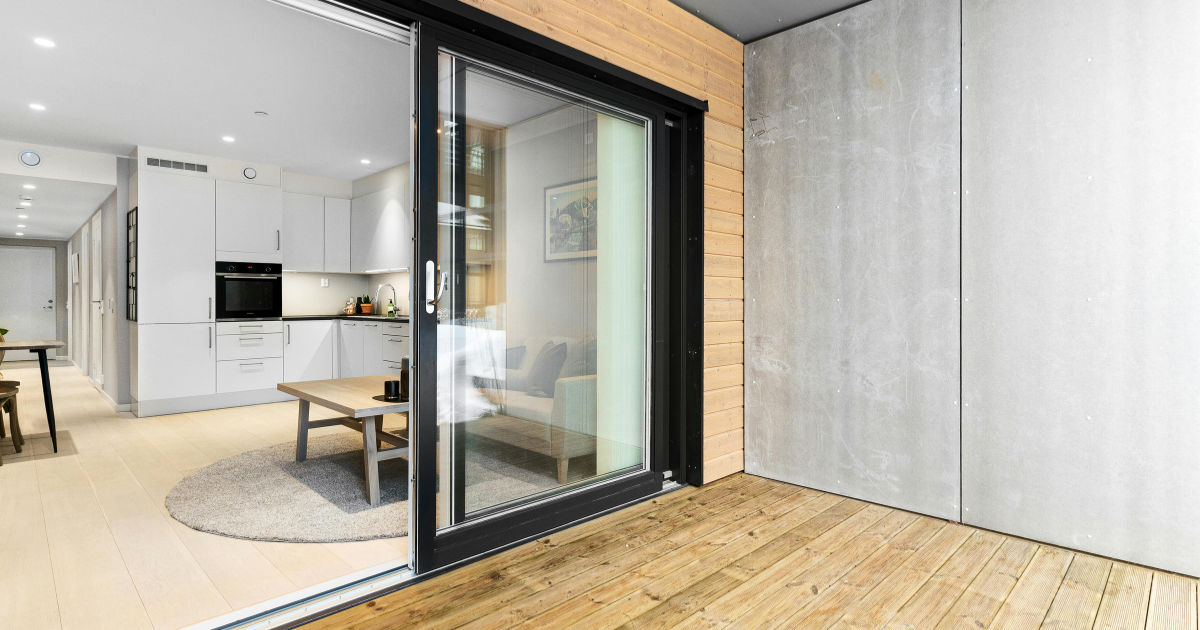
One key component that allows these doors to function efficiently is the Automatic Glass Door Sensor. Among the different types of sensors available, microwave sensors are widely used due to their reliability and accuracy.
This guide will take you through everything you need to know about how a microwave automatic glass door sensor detects movement, its technology, types, advantages, installation, troubleshooting, and more.
Introduction to Automatic Glass Door Sensors
An Automatic Glass Door Sensor is a device that detects the presence or movement of people or objects near a door. Once detected, it sends a signal to the door’s control system to open or close the door. This technology is widely used in commercial and public spaces to reduce manual effort, maintain hygiene, and improve security.
Microwave sensors are one of the most sophisticated types of sensors used in automatic glass doors. Unlike infrared sensors that detect heat, microwave sensors emit electromagnetic waves to sense motion. They can detect objects even through certain materials like glass or thin walls, making them ideal for automatic glass doors.
How Microwave Sensors Work in Automatic Glass Doors
Microwave automatic glass door sensors work on the principle of the Doppler Effect. This scientific principle explains how the frequency of a wave changes when the source or observer is moving. Here’s a step-by-step explanation:
-
Emission of Microwave Signals: The sensor emits microwave signals continuously in the area in front of the door.
-
Reflection of Signals: When a person or object moves within the detection zone, these signals bounce back to the sensor.
-
Frequency Change Detection: The sensor detects changes in the frequency of the reflected waves caused by movement.
-
Signal Processing: The sensor’s internal processor interprets this frequency change as motion.
-
Triggering the Door Mechanism: Upon detection, the sensor sends a command to the automatic door controller to open the door. Once no motion is detected, the door closes automatically after a set time delay.
This system ensures smooth and responsive operation even in high-traffic areas.
Types of Microwave Automatic Glass Door Sensors
There are several types of microwave sensors used in automatic glass doors, depending on their range, sensitivity, and installation method.
1. Active Microwave Sensors
Active sensors emit microwaves and actively monitor their reflections. They are highly reliable in detecting movement and are commonly used in commercial spaces. They can work in various environmental conditions, including low light or complete darkness.
2. Passive Microwave Sensors
Passive sensors do not emit microwaves but detect disturbances in existing microwave signals or ambient electromagnetic fields. They are less common but useful in environments where minimal signal emission is required.
3. Dual-Technology Sensors
Some modern automatic glass doors use a combination of microwave and infrared sensors to improve detection accuracy. These dual-technology sensors minimize false triggers caused by wind, curtains, or small animals.
Advantages of Microwave Sensors in Automatic Glass Doors
Using a microwave automatic glass door sensor offers numerous benefits:
1. High Sensitivity
Microwave sensors can detect even small movements, ensuring the door opens reliably when someone approaches.
2. Detection Through Materials
Unlike infrared sensors, microwaves can penetrate glass, plastic, and thin walls, making them ideal for glass door setups.
3. Works in Low Light
Microwave sensors function in complete darkness, fog, or smoke, whereas infrared sensors depend on heat signatures and may fail in such conditions.
4. Wide Detection Range
They can cover a larger area compared to other sensors, reducing the chances of someone standing outside the door without it opening.
5. Durable and Low Maintenance
Microwave sensors have fewer moving parts and are less prone to damage, providing long-term reliability.
How to Install a Microwave Automatic Glass Door Sensor
Proper installation is key to the performance of an Automatic Glass Door Sensor. Below is a general guide:
Step 1: Choose the Right Sensor
Select a microwave sensor compatible with the door size, type, and traffic requirements.
Step 2: Determine the Mounting Location
Microwave sensors are usually installed above the door, facing downward or at a slight angle to cover the approach area effectively.
Step 3: Wiring and Connection
Connect the sensor to the door control panel according to the manufacturer’s instructions. Ensure power supply specifications match the sensor requirements.
Step 4: Adjust Sensitivity
Most sensors have adjustable sensitivity and range settings. Set the detection zone to cover the desired area while avoiding false triggers from nearby movement.
Step 5: Test the Door
Check if the door opens smoothly when someone enters the detection zone. Adjust angle or sensitivity if necessary.
Step 6: Secure and Cover
Ensure the sensor is securely mounted and protected from weather conditions if installed outdoors.
Common Issues with Microwave Automatic Glass Door Sensors
While microwave sensors are reliable, they may encounter some common problems:
1. False Triggers
Wind, animals, or nearby moving objects may cause the door to open unintentionally. Adjusting the sensitivity or using dual-technology sensors can minimize this.
2. Door Not Opening
This could result from power supply issues, wiring problems, or misalignment of the sensor. Checking connections and recalibrating the sensor often solves the problem.
3. Limited Detection Range
Objects may not be detected if the sensor is installed too high or at the wrong angle. Repositioning the sensor usually fixes this.
4. Interference
Microwave sensors can be affected by other electromagnetic devices nearby. Ensuring proper installation and using shielded sensors can reduce interference.
Microwave Sensor Safety Considerations
Microwave sensors emit low-level electromagnetic waves, which are generally safe for humans. However, it is important to follow safety guidelines:
-
Do not disassemble the sensor while it is powered.
-
Keep the sensor away from high-power electromagnetic devices.
-
Install the sensor at heights recommended by the manufacturer to avoid accidental contact.
Applications of Microwave Automatic Glass Door Sensors
These sensors are widely used in various settings:
1. Commercial Buildings
Shopping malls, airports, and office complexes use microwave sensors for smooth entry and exit.
2. Healthcare Facilities
Hospitals and clinics benefit from hands-free doors for hygiene and accessibility.
3. Residential Use
Smart homes now integrate automatic glass doors with microwave sensors for convenience and security.
4. Industrial Areas
Factories use these sensors for doors in cleanrooms, warehouses, and restricted areas where controlled access is necessary.
Comparing Microwave Sensors with Other Door Sensors
Automatic glass doors can also use infrared, ultrasonic, or pressure sensors. Here’s how microwave sensors compare:
| Feature | Microwave Sensor | Infrared Sensor | Ultrasonic Sensor |
|---|---|---|---|
| Detection through materials | Excellent | Poor | Good |
| Works in low light | Yes | Limited | Yes |
| Sensitivity to small motion | High | Medium | High |
| False triggers | Moderate | High | Moderate |
| Range | Wide | Medium | Medium |
Microwave sensors are preferred for high traffic and all-weather conditions.
Maintaining Microwave Automatic Glass Door Sensors
Regular maintenance ensures long-term functionality:
-
Clean the sensor surface to remove dust or debris.
-
Test sensor sensitivity periodically.
-
Check wiring and connections for wear and tear.
-
Ensure firmware or software (if digital) is updated for advanced models.
Future Trends in Automatic Glass Door Sensors
The technology of Automatic Glass Door Sensors continues to evolve:
-
AI Integration: Future sensors may identify individuals and adapt door behavior based on traffic patterns.
-
Energy Efficiency: Sensors may become smarter to save energy by reducing unnecessary door openings.
-
IoT Connectivity: Sensors could connect to building automation systems for remote monitoring and analytics.
Conclusion
Microwave automatic glass door sensors are a key technology that makes modern automatic glass doors efficient, reliable, and convenient. They work by emitting microwaves and detecting motion through frequency changes, making them more versatile than other types of sensors. With proper installation, maintenance, and adjustment, these sensors can provide years of trouble-free operation in commercial, residential, and industrial settings.
Understanding how an Automatic Glass Door Sensor detects movement helps users appreciate the science behind seamless entry and exit in everyday life. As technology advances, these sensors will become even smarter, safer, and more efficient, making automatic glass doors an essential part of modern infrastructure.
MOST COMMENTED
Business
Critical Warnings What to Avoid When Cleaning Your Rental Bond in Melbourne
Other
Menghadirkan Sensasi Kasino Ke Rumah Anda Dengan Bermain Online
Other
Metode Optimal Untuk Meraih Kemenangan Di Game Slot Online Pilihan Utama
Gaming
Link Game Online Tanpa Iklan, Main Lebih Nyaman!
Gaming
Hargatoto Insights: Sympathy Lottery Damage Trends And Online Total Game Platforms