
Streetwear culture has grown from niche beginnings into one of the most influential movements in fashion, music, and youth culture.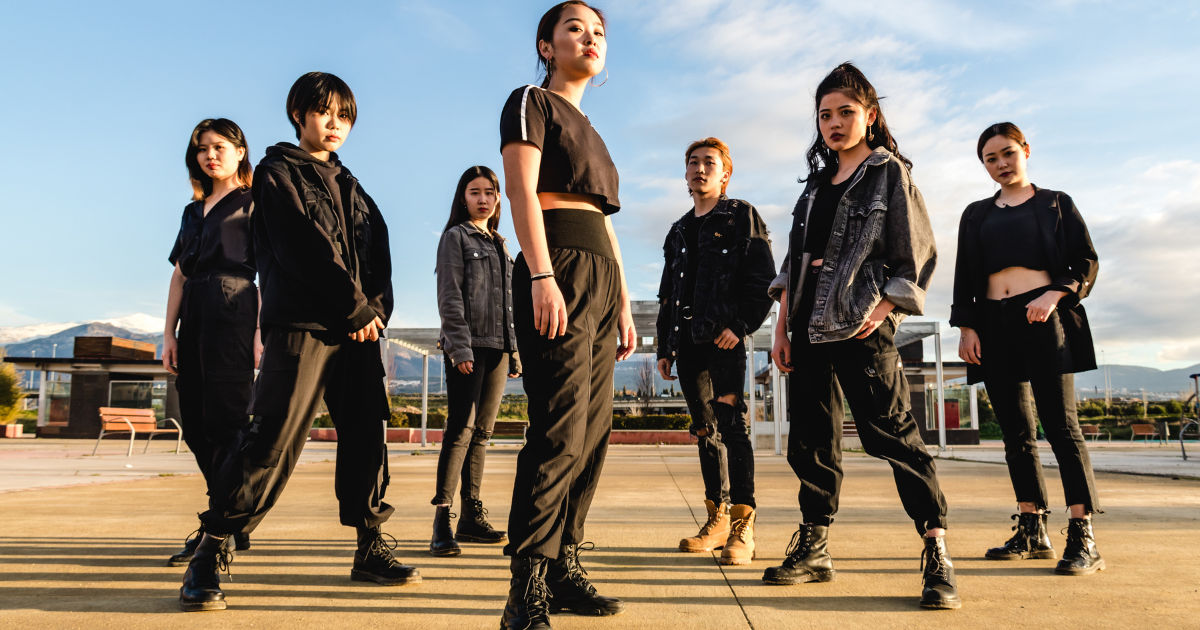
Brands like Corteiz Streetwear have played a pivotal role in shaping the modern streetwear scene.
What started as a simple expression of urban identity has now become a global phenomenon that impacts the way people dress, think, and interact.
Today, streetwear is not just clothing; it is a lifestyle, a statement, and a reflection of social values.
In this guide, we will explore the roots of streetwear, the reasons behind its influence, and how it continues to shape culture worldwide.
The Origins of Streetwear Culture
Streetwear originated in the 1980s and 1990s in urban areas, heavily influenced by skateboarding, hip-hop, and punk movements. Young people sought clothing that expressed their identity and independence. Brands like Supreme, Stüssy, and today’s Corteiz Streetwear captured the spirit of rebellion and creativity.
The early streetwear scene was built around limited-edition releases, underground fashion shows, and word-of-mouth marketing. Clothing was not just functional; it became a canvas for self-expression. Logo-centric designs, bold graphics, and comfortable styles like hoodies, oversized T-shirts, and sneakers became iconic.
How Streetwear Became a Cultural Movement
Streetwear did not stay confined to urban streets. It crossed into mainstream fashion and popular culture. Musicians, athletes, and influencers embraced streetwear, making it more visible globally. Collaborations between streetwear brands and high-fashion designers blurred the lines between casual wear and luxury.
Corteiz Streetwear, for example, has gained popularity by blending urban style with contemporary trends. The brand’s unique designs resonate with young people who want to stand out while remaining authentic to their roots. Its influence shows how streetwear has transformed from a subculture into a cultural movement.
The Role of Music and Media
Hip-hop and rap music have always been closely tied to streetwear. Artists often use fashion as part of their persona, promoting brands through music videos, interviews, and social media. This relationship amplifies streetwear’s cultural impact, making certain brands aspirational.
Media platforms also play a significant role. Instagram, TikTok, and YouTube have created a space where streetwear can thrive. Influencers showcase rare pieces, styling tips, and unboxing videos, fueling demand and shaping trends. Brands like Corteiz Streetwear leverage these platforms effectively, connecting directly with their audience and building strong communities.
The Psychology Behind Streetwear’s Influence
Streetwear’s appeal lies in its ability to create identity and belonging. Wearing a certain brand signals alignment with specific values, music, or lifestyle. Limited releases and hype culture enhance exclusivity, making pieces highly coveted.
Moreover, streetwear allows self-expression in ways traditional fashion often does not. Bold colors, unique patterns, and statement logos communicate personality, creativity, and confidence. This psychological connection between clothing and identity explains why streetwear continues to resonate with younger generations.
Accessibility and Global Spread
Thanks to globalization and social media, streetwear is no longer limited to major cities like New York or London. Brands like Corteiz Streetwear now have international followings. Online shopping platforms and social media allow enthusiasts from anywhere to access limited-edition drops, collaborate on designs, and join global streetwear communities.
The internet also democratizes fashion knowledge. Fans can learn about styling, brand histories, and upcoming releases with just a few clicks. This accessibility makes streetwear both inclusive and aspirational.
Streetwear as an Economic Force
Streetwear is now a multi-billion-dollar industry. Collaborations with luxury brands, sneakers, and pop culture icons drive sales. Limited editions create scarcity, increasing demand and resale value. Sneaker culture, in particular, has become a parallel economy, with collectors willing to pay thousands for rare items.
Brands like Corteiz Streetwear contribute to this ecosystem by creating highly sought-after pieces that mix style with exclusivity. The economic influence of streetwear also encourages innovation, as brands constantly compete to release new, eye-catching designs.
The Social Influence of Streetwear
Streetwear is not just fashion—it is social commentary. Many brands use their platform to address societal issues, from racial equality to environmental sustainability. Wearing streetwear can signify political or cultural awareness, transforming clothing into a tool for communication.
Communities also play a vital role. Fans organize events, pop-up shops, and online forums, fostering a sense of belonging. Brands like Corteiz Streetwear thrive on this communal connection, often collaborating with artists and designers from diverse backgrounds.
Technology and Innovation in Streetwear
Modern streetwear embraces technology in multiple ways. Digital marketing, online drops, and augmented reality experiences enhance consumer engagement. 3D printing, sustainable fabrics, and innovative production techniques push the boundaries of design.
Virtual streetwear is also emerging. In online games, social platforms, and virtual worlds, people can wear digital outfits, creating new revenue streams and cultural influence. Brands that adapt to these trends, including Corteiz Streetwear, stay relevant in a fast-paced market.
Sustainability and Ethical Considerations
As streetwear grows, sustainability has become a critical factor. Consumers increasingly value eco-friendly production, fair labor practices, and sustainable materials. Brands that prioritize ethics gain credibility and long-term loyalty.
Corteiz Streetwear and similar companies are starting to integrate these practices into their operations. Using organic fabrics, reducing waste, and supporting ethical manufacturing reflects the evolving values of streetwear culture.
Streetwear and Identity Expression
One of the strongest appeals of streetwear is its power to express identity. Young people use clothing to communicate who they are, what they value, and what communities they belong to. From bold graphics to subtle logo placements, every choice sends a message.
Streetwear also transcends gender and age boundaries. Unisex designs, oversized silhouettes, and versatile pieces make it inclusive and adaptable. This flexibility strengthens its influence across different demographics.
Collaborations and Limited-Edition Releases
Collaborations between streetwear brands and celebrities, designers, or other brands generate immense hype. Limited-edition releases create anticipation, urgency, and exclusivity. Fans line up physically and virtually to secure rare pieces, turning shopping into an event.
Brands like Corteiz Streetwear use collaborations strategically to elevate brand identity and cultural relevance. These partnerships often result in collectible items, further boosting the brand’s influence and visibility.
How Streetwear Shapes Mainstream Fashion
Streetwear has influenced mainstream fashion in profound ways. High-end designers incorporate streetwear elements into luxury collections. Sneakers, hoodies, and graphic tees appear on runways, blurring the line between casual and couture.
The influence is reciprocal. Streetwear brands adopt luxury techniques, experimenting with quality materials and premium design, ensuring that the aesthetic remains fresh and aspirational. Corteiz Streetwear embodies this fusion, combining urban roots with contemporary innovation.
Streetwear’s Role in Youth Culture
Youth culture drives the streetwear phenomenon. Teenagers and young adults see clothing as a way to assert independence, connect with peers, and participate in global trends. Streetwear represents freedom, creativity, and rebellion, making it particularly appealing to this demographic.
Social media amplifies this effect. Platforms allow young people to showcase outfits, participate in challenges, and follow brand updates in real time. Brands like Corteiz Streetwear thrive in this environment, building strong emotional connections with fans.
Digital Communities and Streetwear Fandom
Streetwear communities extend beyond physical spaces. Online forums, social media groups, and apps allow fans to discuss styles, share tips, and trade clothing. These communities create a sense of belonging and elevate the cultural significance of streetwear.
The influence of these digital communities cannot be overstated. They help trends go viral, coordinate global releases, and turn casual fans into loyal brand advocates. Corteiz Streetwear engages actively with these communities, strengthening its presence and cultural impact.
The Future of Streetwear
Streetwear continues to evolve, incorporating technology, sustainability, and cross-cultural influences. Augmented reality, digital fashion, and global collaborations will redefine the market. Inclusivity and ethical practices will become standard expectations, pushing brands to innovate responsibly.
Despite these changes, the core of streetwear remains the same: self-expression, community, and cultural relevance. Brands like Corteiz Streetwear will continue to shape trends and inspire the next generation of streetwear enthusiasts.
Conclusion
Streetwear culture has transcended clothing to become a powerful force in fashion, music, and youth identity. Its influence stems from its roots in urban subcultures, its embrace by celebrities and media, and its ability to foster self-expression and community. Brands like Corteiz Streetwear exemplify the modern streetwear movement, blending style, exclusivity, and cultural relevance to remain influential on a global scale.
The appeal of streetwear lies not just in aesthetics but in its ability to connect people, reflect values, and inspire creativity. From limited-edition drops to social media communities, streetwear continues to shape global culture. As the movement grows, it will likely maintain its influence while adapting to new technologies, ethical considerations, and evolving cultural trends.
In essence, streetwear is more than fashion—it is a statement, a lifestyle, and a mirror of contemporary culture. Its continued impact demonstrates that clothing can be a tool for identity, expression, and community, ensuring streetwear remains a dominant force in global youth culture for years to come.
MOST COMMENTED
Business
Critical Warnings What to Avoid When Cleaning Your Rental Bond in Melbourne
Other
Menghadirkan Sensasi Kasino Ke Rumah Anda Dengan Bermain Online
Other
Metode Optimal Untuk Meraih Kemenangan Di Game Slot Online Pilihan Utama
Gaming
Link Game Online Tanpa Iklan, Main Lebih Nyaman!
Gaming
Hargatoto Insights: Sympathy Lottery Damage Trends And Online Total Game Platforms