
Attention-Deficit/Hyperactivity Disorder, commonly known as ADHD, is a condition that affects how the brain manages attention, energy, and self-control.
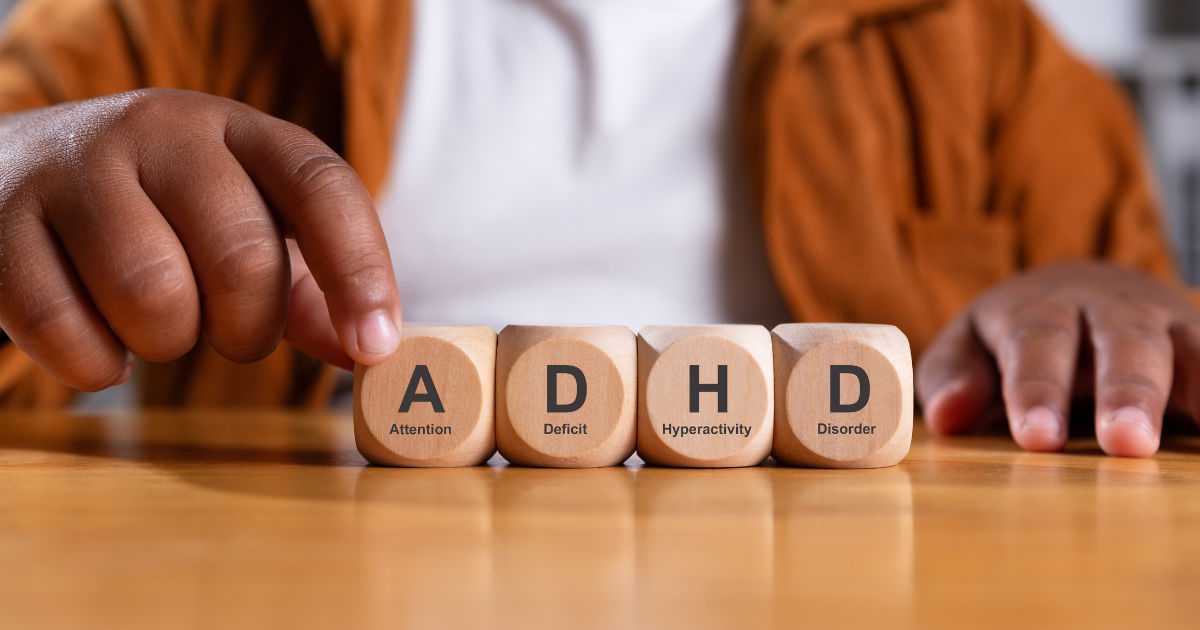
Many people struggle daily to Treat Your ADHD and Impulse Control because these challenges can influence school, work, relationships, and emotional health.
ADHD is not just about being distracted. It also includes impulsive actions, difficulty waiting, emotional outbursts, and problems with planning.
Impulse control is closely connected to ADHD. When you try to Treat Your ADHD and Impulse Control, you are working on the brain’s ability to pause before acting.
This can affect decisions, conversations, spending habits, eating patterns, and even safety. Understanding how ADHD affects impulse control is the first step toward improvement.
ADHD shows up differently in each person. Some people are mainly inattentive, while others are hyperactive or impulsive. Many experience a combination.
No matter the type, learning how to Treat Your ADHD and Impulse Control ( https://onlinemedspharmacy.com/buy-adderall-online/ ) can make daily life calmer and more manageable.
Why Treating ADHD and Impulse Control Matters
Learning to Treat Your ADHD and Impulse Control is important because untreated symptoms can grow more intense over time. Children may struggle in school, while teens and adults may face problems with self-esteem, stress, and relationships.
When ADHD and impulse control issues are managed well, people often feel more confident. They can focus better, communicate clearly, and make thoughtful decisions. Treat Your ADHD and Impulse Control strategies also reduce frustration for family members, teachers, and coworkers.
Impulse control problems can lead to risky behaviors if ignored. That is why early and ongoing treatment helps protect mental and emotional health. Treat Your ADHD and Impulse Control efforts are not about changing who you are. They are about helping your brain work with you instead of against you.
How the Brain Affects ADHD and Impulse Control
The brain plays a major role when you try to Treat Your ADHD and Impulse Control. ADHD is linked to differences in brain chemicals like dopamine and norepinephrine. These chemicals help regulate attention, motivation, and self-control.
In people with ADHD, these brain chemicals may not work efficiently. This makes it harder to pause, think, and choose actions carefully. Treat Your ADHD and Impulse Control methods often focus on improving how the brain uses these chemicals.
Brain areas involved in planning and decision-making may also develop differently. This does not mean the brain is broken. It means it needs support. Treat Your ADHD and Impulse Control plans help strengthen these brain systems over time.
Medical Treatments That Help
Medication is one of the most researched ways to Treat Your ADHD and Impulse Control. It is often recommended as part of a complete treatment plan.
Stimulant Medications
Stimulants are commonly prescribed to Treat Your ADHD and Impulse Control. They help increase dopamine activity in the brain. This can improve focus and reduce impulsive behavior.
Many people notice better attention and calmer reactions when using stimulants. These medications do not sedate the brain. Instead, they help it stay balanced and organized.
Non-Stimulant Medications
Non-stimulant medications are another option to Treat Your ADHD and Impulse Control. They are often used when stimulants are not effective or cause side effects.
These medications work more gradually but can still support impulse control and emotional regulation. Doctors choose medications based on individual needs.
Medication alone is rarely enough. To Treat Your ADHD and Impulse Control fully, medicine should be combined with behavioral and lifestyle strategies.
Therapy and Counseling Approaches
Therapy plays a key role when working to Treat Your ADHD and Impulse Control. It teaches skills that medication alone cannot provide.
Cognitive Behavioral Therapy
Cognitive Behavioral Therapy, or CBT, is widely used to Treat Your ADHD and Impulse Control. It helps people recognize unhelpful thoughts and replace them with healthier ones.
CBT focuses on problem-solving, planning, and emotional awareness. It teaches how to pause before acting, which improves impulse control.
Behavioral Therapy
Behavioral therapy helps create routines and reward systems. It is especially helpful for children and teens learning to Treat Your ADHD and Impulse Control.
This approach focuses on small, clear goals. Positive reinforcement helps build better habits over time.
Coaching and Skill Training
ADHD coaching supports daily organization, time management, and goal setting. Coaches help people Treat Your ADHD and Impulse Control by turning large tasks into manageable steps.
Skill training builds confidence and independence. It helps people practice self-control in real-life situations.
Lifestyle Changes That Make a Difference
Daily habits strongly influence how well you Treat Your ADHD and Impulse Control. Small lifestyle changes can lead to big improvements.
Sleep and Rest
Sleep is essential when trying to Treat Your ADHD and Impulse Control. Lack of sleep increases impulsivity and emotional reactions.
Consistent bedtime routines help the brain reset. Good sleep supports focus and patience during the day.
Nutrition and Diet
Food choices affect brain function. Balanced meals help Treat Your ADHD and Impulse Control by keeping blood sugar stable.
Protein, whole grains, fruits, and vegetables support attention. Reducing excessive sugar and processed foods may reduce impulsive behavior.
Physical Activity
Exercise is a powerful tool to Treat Your ADHD and Impulse Control. Physical activity boosts dopamine levels naturally.
Regular movement improves mood, focus, and self-control. Even short walks can make a difference.
Building Strong Daily Routines
Structure helps the ADHD brain feel safe and organized. Routines are essential to Treat Your ADHD and Impulse Control.
Clear schedules reduce decision fatigue. When you know what comes next, impulsive choices decrease.
Using planners, alarms, and visual reminders supports consistency. These tools help Treat Your ADHD and Impulse Control by reducing forgetfulness.
Simple routines for mornings, homework, and bedtime provide stability and calm.
Improving Emotional Regulation
Emotions can feel intense for people with ADHD. Learning to Treat Your ADHD and Impulse Control includes managing emotional reactions.
Mindfulness practices help increase awareness of feelings. Pausing to breathe allows time to respond instead of react.
Journaling helps identify emotional triggers. Understanding emotions supports better impulse control.
Learning emotional language helps express feelings clearly. This reduces frustration and conflict.
Social Skills and Communication
Impulse control affects relationships. Learning social skills is important to Treat Your ADHD and Impulse Control.
Practicing listening skills helps reduce interruptions. Role-playing conversations builds confidence.
Clear communication prevents misunderstandings. Learning to pause before speaking strengthens relationships.
Social skills groups can help teens and adults practice real-life situations in a supportive setting.
Support at School and Work
Academic and workplace accommodations are important to Treat Your ADHD and Impulse Control.
Extra time on tests, quiet workspaces, and clear instructions support focus. These adjustments help level the playing field.
Teachers and employers who understand ADHD can provide helpful support. Open communication leads to better outcomes.
Using organizational tools at school and work helps manage tasks effectively.
Parenting and Family Support
Families play a major role in helping children Treat Your ADHD and Impulse Control.
Consistent rules and expectations reduce confusion. Positive reinforcement encourages progress.
Parents benefit from learning about ADHD. Understanding the condition reduces blame and frustration.
Family therapy can improve communication and teamwork.
Technology and Tools That Help
Technology can support efforts to Treat Your ADHD and Impulse Control.
Apps help with reminders, focus, and time tracking. Digital calendars reduce missed tasks.
Timers help break work into short sessions. This supports sustained attention.
Noise-canceling headphones and focus music can reduce distractions.
Long-Term Strategies for Success
Treating ADHD is a lifelong journey. Long-term strategies help maintain progress.
Regular check-ins with healthcare providers ensure treatment remains effective.
Revisiting goals helps adjust strategies as needs change. Growth requires flexibility.
Building a support network strengthens motivation. Friends, family, and professionals all help Treat Your ADHD and Impulse Control.
Celebrating small successes builds confidence and resilience.
Common Myths About ADHD Treatment
Many myths surround ADHD. Some believe people should simply try harder. This is not true.
ADHD is a brain-based condition. Learning to Treat Your ADHD and Impulse Control requires understanding and support.
Medication does not change personality. It helps the brain function more smoothly.
ADHD does not disappear with age. However, skills improve with practice and treatment.
Creating a Personalized Treatment Plan
No single approach works for everyone. The best way to Treat Your ADHD and Impulse Control is through a personalized plan.
Combining medication, therapy, lifestyle changes, and support leads to the best outcomes.
Personal goals guide treatment choices. What works for one person may not work for another.
Ongoing adjustments ensure the plan stays effective and realistic.
Conclusion
Learning what works to Treat Your ADHD and Impulse Control is a powerful step toward a better life. ADHD may create challenges, but it also comes with strengths like creativity and energy. With the right support, these strengths can shine.
Effective treatment includes understanding the brain, using medication when needed, building strong routines, and practicing emotional and social skills. Lifestyle changes like sleep, nutrition, and exercise make a real difference. Therapy and coaching provide tools for long-term success.
Most importantly, treating ADHD is not about perfection. It is about progress. Each small improvement builds confidence and control. When you commit to Treat Your ADHD and Impulse Control, you give yourself the chance to thrive, grow, and live with greater balance and clarity.
MOST COMMENTED
Business
Critical Warnings What to Avoid When Cleaning Your Rental Bond in Melbourne
Other
Menghadirkan Sensasi Kasino Ke Rumah Anda Dengan Bermain Online
Other
Metode Optimal Untuk Meraih Kemenangan Di Game Slot Online Pilihan Utama
Gaming
Link Game Online Tanpa Iklan, Main Lebih Nyaman!
Gaming
Hargatoto Insights: Sympathy Lottery Damage Trends And Online Total Game Platforms