
Understanding whatsapp web login is essential for anyone who uses WhatsApp on both mobile and desktop devices. 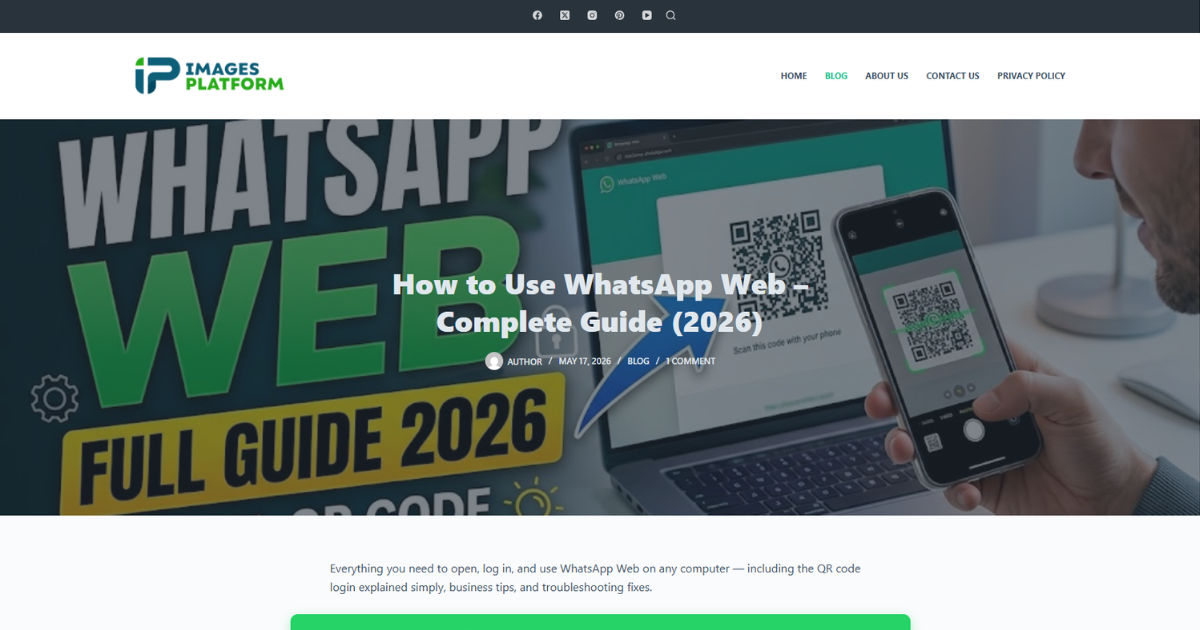 The way whatsapp web login syncs chats is often misunderstood, even though it is one of the most important features behind the smooth experience users enjoy. In simple terms, whatsapp web login allows your phone and browser to work together so messages appear instantly on both devices.
In this guide, we will break down exactly how whatsapp web login syncs chats, what happens behind the scenes, and why messages appear in real time. We will also explore security, technical processes, and common issues that users face with whatsapp web login. By the end, you will have a clear understanding of how whatsapp web login actually works from a technical and user perspective.
The Basic Concept of Chat Syncing
The first thing to understand about whatsapp web login is that it does not work like a separate messaging system. Instead, it acts as a mirror of your mobile WhatsApp account. When you perform whatsapp web login, your browser becomes an extension of your phone.
In this system, your phone remains the primary device. Every message you send or receive through whatsapp web login is first processed by your phone and then mirrored to the web interface. This means whatsapp web login depends heavily on your phone being connected to the internet.
The sync process ensures that chats, media, and notifications appear identical on both devices. Without this structure, whatsapp web login would not be able to maintain real-time communication.
2. How Device Pairing Works
When you start whatsapp web login, the first step is pairing your phone with the browser using a QR code. This QR code is a secure key that connects both devices.
During whatsapp web login, your phone scans the QR code and creates an encrypted session. This session allows both devices to communicate securely. The system ensures that whatsapp web login cannot be accessed without physical access to your phone.
Once the pairing is complete, whatsapp web login establishes a trusted link between the phone and browser. This link remains active until you manually log out or the session expires.
3. Role of the Phone in Syncing Chats
A key fact about whatsapp web login is that your phone acts as the central hub. Even though you are typing on a computer, all processing still happens on your mobile device.
Every message sent through whatsapp web login is first encrypted and sent from your phone to WhatsApp servers. Then it is delivered to the recipient and mirrored back to the web session.
This design ensures that whatsapp web login always reflects the exact state of your mobile app. If your phone loses internet connection, whatsapp web login will stop syncing new messages.
4. Real-Time Synchronization Process
The real magic behind whatsapp web login is real-time synchronization. This is achieved through persistent internet connections between devices and servers.
When you receive a message, WhatsApp servers instantly notify both your phone and the whatsapp web login session. This ensures no delay between devices.
The system used in whatsapp web login relies on continuous data updates rather than manual refreshing. This is why messages appear instantly on the screen when someone sends them.
Without real-time sync, whatsapp web login would feel slow and disconnected, but the architecture keeps everything seamless.
5. Encryption and Security in Syncing
Security plays a major role in whatsapp web login chat syncing. All messages are protected with end-to-end encryption.
This means that during whatsapp web login, only your phone and the recipient’s phone can read the messages. Even WhatsApp servers cannot access message content.
The encrypted session created during whatsapp web login ensures that data transferred between phone and browser remains private. Each session has a unique security key that prevents unauthorized access.
Because of this design, whatsapp web login is considered highly secure compared to many other web messaging platforms.
6. Multi-Device Feature and Independent Sync
Modern whatsapp web login systems support multi-device functionality. This means you can stay logged in on the web even if your phone is offline for a limited time.
In this upgraded version of whatsapp web login, each device maintains its own secure connection with WhatsApp servers. This reduces dependency on the phone while still keeping chats synchronized.
Messages are stored temporarily and delivered to all linked devices once connection is restored. This makes whatsapp web login more flexible and reliable than earlier versions.
However, the phone is still the primary control point for account settings and security changes in whatsapp web login.
7. How Messages Are Delivered Across Devices
When you send a message using whatsapp web login, it follows a structured delivery path. First, the message is encrypted on your device. Then it is sent to WhatsApp servers.
From there, the message is delivered to the recipient and also synchronized across all linked devices using whatsapp web login. This ensures consistency across platforms.
Incoming messages follow the same route in reverse. This dual-sync system keeps whatsapp web login aligned with your mobile chats at all times.
Even if you switch devices, whatsapp web login ensures that chat history remains updated.
8. Media and File Synchronization
One of the important features of whatsapp web login is media syncing. Images, videos, documents, and voice notes are all transferred between devices.
When a file is received, whatsapp web login downloads a temporary copy through your browser session. However, the original file remains stored on your phone or WhatsApp servers depending on settings.
During whatsapp web login, media is not permanently stored on the browser unless you download it manually. This helps reduce storage usage and improves performance.
The syncing system ensures that media appears instantly in chats, making whatsapp web login smooth and responsive.
9. Offline Behavior and Message Queues
Sometimes users wonder what happens when internet connectivity is lost during whatsapp web login. In such cases, messages are stored in a queue.
When connection is restored, whatsapp web login automatically syncs all pending messages. This ensures no data is lost during temporary disconnections.
If your phone is offline, whatsapp web login may stop receiving updates depending on the mode you are using. However, once reconnection happens, the system quickly restores synchronization.
This queued system makes whatsapp web login reliable even in unstable network conditions.
10. Why Sync Delays Sometimes Occur
Although whatsapp web login is designed for real-time communication, delays can still happen. These delays usually occur due to network instability or server load.
If your phone has a weak internet connection, whatsapp web login may not update instantly. Similarly, browser issues or outdated sessions can slow down syncing.
Another reason is background restrictions on mobile devices. If WhatsApp is not allowed to run in the background, whatsapp web login may temporarily pause syncing.
Understanding these issues helps improve the performance of whatsapp web login.
11. Troubleshooting Sync Problems
When whatsapp web login stops syncing properly, there are several simple solutions. First, checking your internet connection on both devices is important.
Refreshing the browser session can also restore whatsapp web login functionality. Logging out and scanning the QR code again is another effective method.
Clearing browser cache or switching browsers may fix hidden issues affecting whatsapp web login.
In most cases, syncing problems are temporary and can be resolved quickly without technical support.
12. Security Best Practices for Syncing
To keep whatsapp web login secure, users should always log out from shared or public computers. Leaving a session active can expose your chats to unauthorized access.
Regularly checking linked devices in WhatsApp settings ensures that only trusted devices use whatsapp web login.
Avoid scanning QR codes from unknown sources, as they may attempt to misuse whatsapp web login sessions.
Following these practices ensures safe and private chat syncing.
13. Future of Chat Synchronization
The future of whatsapp web login is moving toward more independence from mobile devices. With improvements in multi-device architecture, syncing will become faster and more stable.
Future updates may allow whatsapp web login to function even when the phone is completely offline for longer periods.
Enhanced cloud-based syncing will also improve media sharing and reduce delays. This evolution will make whatsapp web login even more efficient and user-friendly.
As technology advances, the gap between mobile and web messaging will continue to shrink.
Conclusion
The way whatsapp web login syncs chats is based on a combination of real-time communication, encryption, and device pairing. It works by mirroring your mobile account while maintaining secure connections between devices and servers.
From message delivery to media syncing, every part of whatsapp web login is designed for speed, accuracy, and security. Even though your phone remains the central hub, improvements in multi-device support are making the system more independent.
Understanding whatsapp web login helps users appreciate the technology behind instant messaging and how seamlessly it keeps conversations updated across platforms.
In the end, whatsapp web login is not just a web version of WhatsApp—it is a carefully engineered system that ensures your chats stay perfectly synchronized at all times.
MOST COMMENTED
Business
Critical Warnings What to Avoid When Cleaning Your Rental Bond in Melbourne
Other
Menghadirkan Sensasi Kasino Ke Rumah Anda Dengan Bermain Online
Other
Metode Optimal Untuk Meraih Kemenangan Di Game Slot Online Pilihan Utama
Gaming
Link Game Online Tanpa Iklan, Main Lebih Nyaman!
Gaming
Hargatoto Insights: Sympathy Lottery Damage Trends And Online Total Game Platforms