
Ramadan is a month of reflection, fasting, and community gatherings, and food plays a central role in how families come together at sunset. One of the most important parts of the evening meal is the variety of dishes known as arabic appetizers, which are served at iftar to gently break the fast and prepare the body for the main course.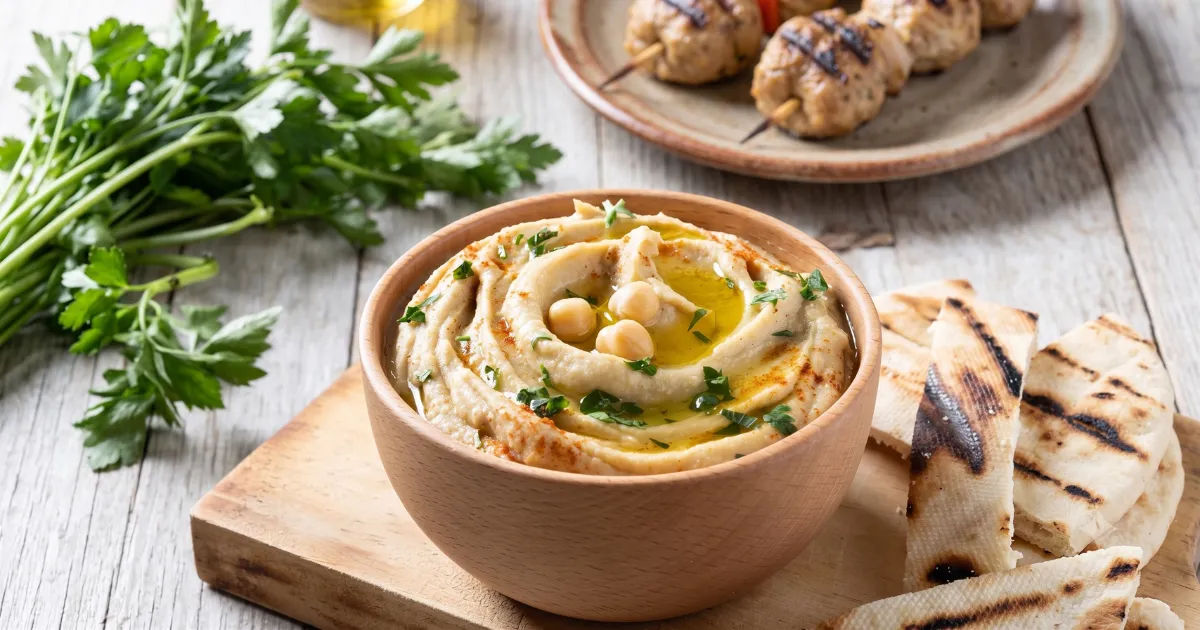
These small but flavorful dishes are not only delicious but also deeply rooted in tradition, culture, and hospitality.In Ramadan, arabic appetizers are more than just food items on a table; they symbolize generosity, warmth, and shared experience. From light salads to savory pastries and refreshing dips, these dishes help ease the transition from fasting to eating.
They also reflect the diversity of Middle Eastern cuisine, with each region offering its own specialties and unique flavors.In this comprehensive guide, we will explore what makes arabic appetizers so essential during Ramadan, the most popular types served at iftar, and how they contribute to both nutrition and tradition. Whether you are new to Middle Eastern cuisine or looking to deepen your understanding, this guide will give you a clear and enjoyable overview.
Ramadan Dining and Cultural Importance
Ramadan dining is structured around iftar and suhoor, and both meals have distinct culinary traditions. At iftar, families often begin with dates and water, followed by a selection of arabic appetizers that gently prepare the digestive system after a long day of fasting.
These appetizers are designed to be light yet satisfying. They often include fresh vegetables, legumes, herbs, and olive oil. The focus is on balance, hydration, and restoring energy without overwhelming the stomach.
In many households, preparing arabic appetizers is a shared activity. Family members gather in the kitchen, chopping vegetables, mixing spices, and assembling plates together. This process strengthens family bonds and reflects the spirit of Ramadan, where unity and generosity are highly valued.
Across countries such as Lebanon, Syria, Jordan, Egypt, and the Gulf states, arabic appetizers vary slightly, but they all serve the same purpose: to bring people together in a meaningful and nourishing way.
The Role of Appetizers at Iftar
Iftar is the moment when fasting ends, and the body needs gentle nourishment. This is where arabic appetizers play an essential role. They provide hydration, quick energy, and essential nutrients without overwhelming the digestive system.
Most iftar meals begin with a few simple bites before moving on to heavier dishes. These small portions help the body adjust gradually after hours of fasting. The combination of textures and flavors in arabic appetizers also stimulates the appetite in a balanced way.
Another important role of arabic appetizers at iftar is variety. Instead of serving one large dish, families prepare multiple small plates so everyone can sample different flavors. This creates a sense of abundance and celebration, which is central to Ramadan traditions.
Cold Arabic Appetizers
Cold dishes are among the most popular arabic appetizers served during Ramadan. They are refreshing, easy to prepare, and often packed with fresh ingredients.
One of the most famous examples is hummus, made from blended chickpeas, tahini, lemon juice, and garlic. It is creamy, nutritious, and commonly served with olive oil and pita bread.
Another favorite is baba ghanoush, a smoky eggplant dip that is smooth and flavorful. It is often garnished with parsley and pomegranate seeds.
Tabbouleh is also a staple among arabic appetizers, especially in Levantine cuisine. Made with finely chopped parsley, tomatoes, mint, bulgur, and lemon juice, it is refreshing and rich in vitamins.
Fattoush is another popular salad, combining fresh vegetables with crispy toasted bread pieces and a tangy sumac dressing. It is light yet filling, making it ideal for breaking the fast.
Yogurt-based dips like labneh also play a key role. Labneh is thick strained yogurt often drizzled with olive oil and sprinkled with herbs or za’atar.
These cold arabic appetizers are valued for their simplicity and nutritional balance, making them perfect for Ramadan evenings.
Hot Arabic Appetizers
While cold dishes are refreshing, hot arabic appetizers bring warmth and comfort to the table. These dishes are often fried, baked, or grilled, offering rich flavors and satisfying textures.
Sambousek is one of the most well-known hot appetizers. These small pastries are filled with minced meat, cheese, or spinach and then fried or baked until golden and crispy.
Kibbeh is another iconic dish, made from bulgur wheat and minced meat, shaped into balls or patties and often fried. It has a crunchy exterior and a flavorful filling.
Falafel, made from ground chickpeas and herbs, is a vegetarian favorite among arabic appetizers. It is crispy on the outside and soft inside, often served with tahini sauce or wrapped in pita bread.
Stuffed vine leaves, known as warak enab, are also widely enjoyed. They are filled with rice, herbs, and sometimes meat, then slowly cooked in olive oil and lemon juice.
These hot arabic appetizers add depth and richness to the iftar table, balancing the lighter cold dishes with more filling options.
Soups as Part of Arabic Appetizers
Soups hold a special place in Ramadan meals and are often considered part of arabic appetizers due to their light and comforting nature.
Lentil soup is one of the most common choices. Made with red lentils, onions, garlic, and spices, it is smooth, nutritious, and easy to digest.
Chicken soup with vermicelli is another popular option. It is often seasoned with lemon and herbs, making it both soothing and flavorful.
Harira, a traditional Moroccan soup, is rich and hearty. It includes tomatoes, lentils, chickpeas, and spices, offering a more filling start to the meal.
These soups are ideal arabic appetizers because they hydrate the body and prepare it for the main course without heaviness.
Street Food Influence on Ramadan Appetizers
Street food culture also influences many arabic appetizers served during Ramadan. In many cities, vendors prepare fresh snacks specifically for iftar time.
Samosas, similar to sambousek, are widely sold in street markets. They are filled with potatoes, meat, or vegetables and deep-fried until crispy.
Shawarma sliders or small wraps are also common. While shawarma is usually a main dish, smaller portions are often served as arabic appetizers during Ramadan gatherings.
Grilled corn, spicy nuts, and mini meat skewers are other examples of street-inspired foods that make their way into home iftar tables.
These dishes reflect the lively atmosphere of Ramadan evenings, where food stalls and home kitchens both contribute to the variety of arabic appetizers enjoyed by families.
Healthy and Modern Variations
In recent years, many people have started focusing on healthier versions of traditional arabic appetizers. These modern adaptations maintain flavor while reducing oil, salt, and fat content.
Baked versions of sambousek and kibbeh are now common alternatives to fried ones. They offer the same taste with fewer calories.
Quinoa tabbouleh is another modern twist on classic arabic appetizers, replacing bulgur with a protein-rich grain.
Air-fried falafel has also become popular, providing crisp texture without deep frying.
Many families now include more vegetable-based dips and salads in their arabic appetizers selection to support healthier Ramadan eating habits.
These changes show how tradition can evolve while still maintaining cultural identity and flavor.
Tips for Preparing Arabic Appetizers for Ramadan
Preparing arabic appetizers for Ramadan requires planning and balance. Since iftar is a daily meal during the month, efficiency becomes important.
One useful tip is to prepare dips and salads in advance. Items like hummus, baba ghanoush, and labneh can be stored in the refrigerator for several days.
Freezing pastries like sambousek and kibbeh before frying or baking can also save time during busy evenings.
It is also helpful to balance textures and flavors. A good spread of arabic appetizers should include something creamy, something crunchy, something warm, and something fresh.
Portion control is important as well. Since iftar includes multiple dishes, keeping arabic appetizers in small portions helps avoid waste and overeating.
Finally, presentation matters. A well-arranged table of colorful arabic appetizers enhances the festive Ramadan atmosphere and encourages sharing.
Conclusion
Ramadan is a time of reflection, gratitude, and togetherness, and food plays a central role in this experience. arabic appetizers are an essential part of iftar meals, offering a perfect balance of flavor, nutrition, and tradition.
From cold dips and fresh salads to hot pastries, soups, and street-inspired snacks, arabic appetizers reflect the richness of Middle Eastern culinary heritage. They are designed not only to nourish the body after fasting but also to bring families and communities closer together.
As we have explored in this guide, arabic appetizers are diverse, adaptable, and deeply meaningful. Whether traditional or modern, they continue to evolve while preserving their cultural roots.
Ultimately, the beauty of arabic appetizers lies in their ability to transform a simple meal into a shared celebration of faith, family, and flavor during the holy month of Ramadan.
MOST COMMENTED
Business
Critical Warnings What to Avoid When Cleaning Your Rental Bond in Melbourne
Other
Menghadirkan Sensasi Kasino Ke Rumah Anda Dengan Bermain Online
Other
Metode Optimal Untuk Meraih Kemenangan Di Game Slot Online Pilihan Utama
Gaming
Link Game Online Tanpa Iklan, Main Lebih Nyaman!
Gaming
Hargatoto Insights: Sympathy Lottery Damage Trends And Online Total Game Platforms