
Water damage can create serious problems for homes and businesses if it is not handled properly. Many property owners think the process ends once the visible water is removed, but there are several important steps that happen afterward. 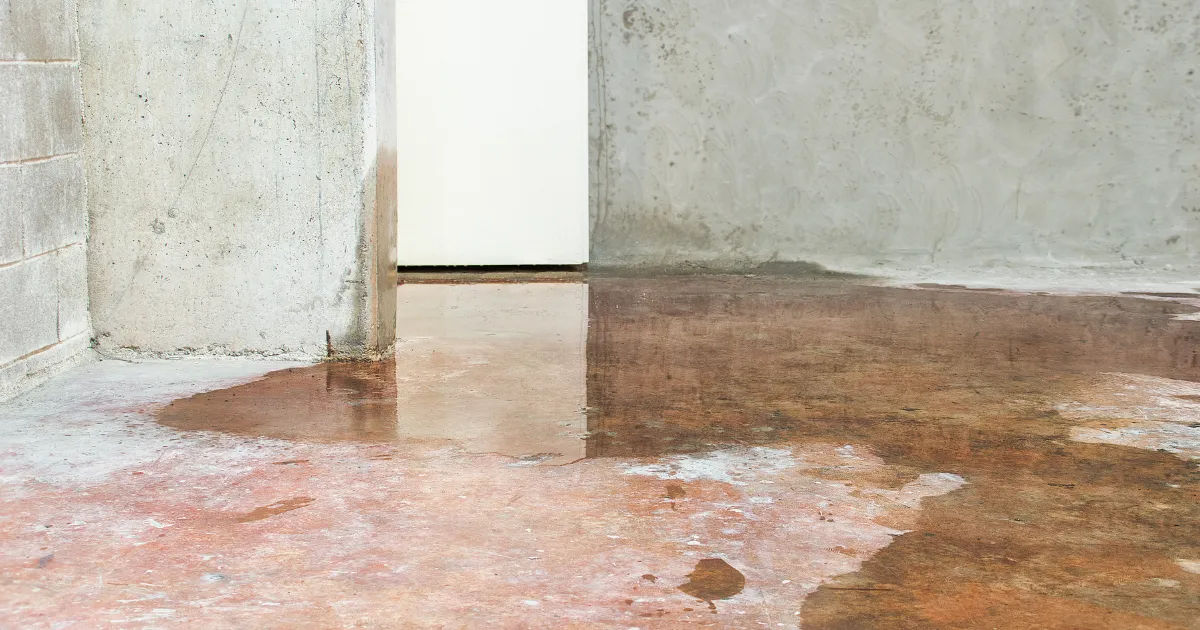 Water Damage Restoration Lancaster CA does not only focus on drying the property; it also includes inspection, repairs, prevention, and making sure the affected area becomes safe and comfortable again.
After the restoration process is completed, homeowners often wonder what happens next. Will the property return to its original condition? Are there any hidden issues remaining? How can future water problems be prevented? Understanding the post-restoration process helps property owners protect their investment and maintain a healthy living environment.
The period after restoration is just as important as the initial cleanup. Proper follow-up, repairs, maintenance, and inspections ensure that moisture problems do not return. A professional restoration company usually provides guidance about what steps should be taken after the main restoration work is finished.
Final Inspection and Property Evaluation
Once the major restoration work is completed, the next step is a detailed inspection of the property. Restoration professionals carefully check different areas to confirm that the water damage has been fully addressed.
During this inspection, experts look for signs of remaining moisture, structural weaknesses, damaged materials, and possible risks. Even when surfaces appear dry, moisture can sometimes remain inside walls, flooring, ceilings, or hidden spaces.
Modern restoration equipment such as moisture meters and thermal imaging cameras can help identify areas that may still contain water. These tools allow professionals to find problems that are not visible to the human eye.
A final evaluation ensures that the property meets safety standards before normal activities continue. This step is essential because untreated moisture can lead to bigger issues in the future.
Checking for Hidden Moisture Problems
One of the biggest concerns after water damage restoration is hidden moisture. Water can move through building materials and collect in areas that are difficult to access.
For example, water may become trapped behind drywall, underneath flooring, or inside insulation. If these areas remain wet, they can create an environment where mold and bacteria grow.
After Water Damage Restoration Lancaster CA, professionals often perform moisture testing to confirm that affected areas are completely dry. This process helps prevent future complications.
Hidden moisture can cause several problems, including:
- Musty odors
- Mold growth
- Weakening of building materials
- Paint damage
- Flooring problems
- Poor indoor air quality
Addressing these issues early protects both the property structure and the health of the people living or working inside.
Repairing Damaged Materials
After drying and cleaning are complete, damaged materials may need repair or replacement. Water can affect many parts of a building, including walls, floors, ceilings, cabinets, and furniture.
Some materials can be restored with proper cleaning and treatment, while others may need to be replaced completely. The decision depends on the level of damage and the condition of the material.
For example, hardwood flooring may sometimes be repaired if the damage is limited. However, severely damaged drywall or insulation often needs replacement because these materials can hold moisture for long periods.
A professional restoration team evaluates each damaged area and recommends the best solution. The goal is to restore the property while maintaining safety and quality.
Restoring the Appearance of the Property
Water damage can affect the appearance of a home or commercial building. After the structural repairs are finished, cosmetic restoration usually begins.
This stage may include:
- Repainting walls
- Replacing damaged flooring
- Repairing ceilings
- Installing new fixtures
- Restoring cabinets
- Cleaning and polishing surfaces
The purpose of cosmetic restoration is to bring the property back to its original appearance. A successful restoration process should make it difficult to identify where the damage occurred.
Many property owners feel emotional stress after experiencing water damage. Seeing the property return to normal can provide comfort and confidence after a difficult situation.
Furniture and Belongings Restoration
Water damage does not only affect the structure of a building. Personal belongings, furniture, electronics, documents, and valuable items can also be damaged.
After the main restoration process, professionals often evaluate damaged belongings to determine what can be saved.
Items may go through different restoration methods, such as:
- Deep cleaning
- Drying treatments
- Odor removal
- Sanitization
- Repair services
Some items may be successfully restored, while others may be too damaged to recover.
Quick action plays an important role in saving belongings. Items exposed to water for longer periods have a higher chance of permanent damage.
Preventing Mold Growth After Restoration
Mold prevention is one of the most important steps after water damage restoration. Mold can begin developing quickly when moisture remains in an area.
Even after visible water is removed, small amounts of moisture can create suitable conditions for mold growth. This is why proper drying and monitoring are necessary.
After Water Damage Restoration Lancaster CA, property owners should continue watching for signs of mold, including:
- Dark spots on walls or ceilings
- Unusual odors
- Increased humidity
- Allergy-like symptoms
- Visible fungal growth
Keeping the property dry and well-ventilated helps reduce the risk of future mold problems.
Regular inspections can also help identify early warning signs before they become expensive repairs.
Improving Indoor Air Quality
Water damage can affect the air quality inside a building. Moist environments can increase the presence of mold spores, bacteria, and unpleasant odors.
After restoration, improving indoor air quality becomes an important part of creating a healthy environment.
Professionals may use air purification methods, cleaning techniques, and ventilation improvements to improve the condition of indoor spaces.
Property owners can also maintain better air quality by:
- Using proper ventilation
- Controlling humidity levels
- Cleaning air filters regularly
- Allowing fresh air circulation
Healthy indoor air is especially important for families, employees, and individuals who spend significant time inside the property.
Conclusion
The restoration process does not completely end when workers leave the property. Monitoring the condition of the building afterward is an important responsibility for property owners.
During the weeks and months after restoration, homeowners should pay attention to any changes. Small warning signs can indicate a developing problem.
Common things to monitor include:
- New water stains
- Strange smells
- Peeling paint
- Floor changes
- Increased humidity
- Wall damage
Early detection can prevent minor issues from becoming major repairs.
Regular maintenance and careful observation help keep the property protected after restoration.
MOST COMMENTED
Business
Critical Warnings What to Avoid When Cleaning Your Rental Bond in Melbourne
Other
Menghadirkan Sensasi Kasino Ke Rumah Anda Dengan Bermain Online
Other
Metode Optimal Untuk Meraih Kemenangan Di Game Slot Online Pilihan Utama
Gaming
Link Game Online Tanpa Iklan, Main Lebih Nyaman!
Gaming
Hargatoto Insights: Sympathy Lottery Damage Trends And Online Total Game Platforms